YOUR STICK SHIFT DRIVING GUIDE
Updated: May 26
Learning to drive a stick shift can feel like stepping into a secret club. It’s a skill that not everyone has, but once you get the hang of it, it’s incredibly rewarding. Whether you’re a newbie or someone who’s driven automatics for years, this guide will walk you through everything you need to know about manual transmission driving. From the basics of clutch control to understanding what each gear means, you’ll be shifting like a pro in no time.
The Ultimate Stick Shift Driving Guide: Getting Started
First things first, let’s talk about the basics. Driving a manual car means you’re in control of the gears, not the car. This means you’ll be using the clutch pedal and gear stick to change gears manually. Sounds tricky? It’s not as scary as it seems.
Here’s a quick rundown of the pedals you’ll find in a stick shift car:
Clutch pedal (far left): Used to engage and disengage the engine from the wheels.
Brake pedal (middle): Slows down or stops the car.
Gas pedal (far right): Controls the speed by increasing engine power.
Before you even start the engine, get comfortable with the gear stick. Most manual cars have a pattern on top showing where each gear lives. You’ll usually find five or six forward gears and one reverse gear.
Now, here’s a little secret: patience is your best friend when learning stick shift. Don’t rush. Take your time to feel the clutch’s bite point — that sweet spot where the clutch starts to engage.

Mastering the Basics: How to Drive a Stick Shift
Ready to hit the road? Here’s a step-by-step guide to get you moving:
Press the clutch pedal all the way down.
Shift the gear stick into first gear.
Slowly release the clutch pedal until you feel the car start to move (the bite point).
Gently press the gas pedal while continuing to release the clutch.
Once the clutch is fully released, continue to accelerate.
Sounds simple, right? But here’s where many beginners stall - literally. If you release the clutch too fast without enough gas, the car will stall. If you give too much gas too soon, you might jerk forward. It’s all about balance.
When it’s time to shift up to the next gear, here’s what you do:
Take your foot off the gas pedal (no gas input).
Press the clutch pedal down.
Move the gear stick to the next gear (from 1st to 2nd, 2nd to 3rd, and so on).
Slowly release the clutch while lightly pressing the gas pedal.
Downshifting (going to a lower gear) works the same way but requires a bit more finesse to avoid jerking.
If you want a more detailed, hands-on approach, get in gear with us! Sign up for a two-hour lesson where you can get behind the wheel and gain real-life experience.
What Does Gear 1, 2, 3, 4, 5 Mean?
Understanding what each gear does is key to mastering manual driving. Here’s a quick breakdown:
1st Gear: This is your starting gear. It provides the most power but the least speed. Use it to get moving from a complete stop.
2nd Gear: Once you’re rolling, shift to 2nd to gain a bit more speed without overworking the engine.
3rd Gear: This is your go-to for city driving. It balances speed and power nicely.
4th Gear: Use this for cruising at moderate speeds, like on suburban roads.
5th Gear: This is your highway gear. It’s designed for fuel efficiency and smooth cruising at higher speeds.
Some cars have a 6th gear, which is even better for highway driving and fuel economy.
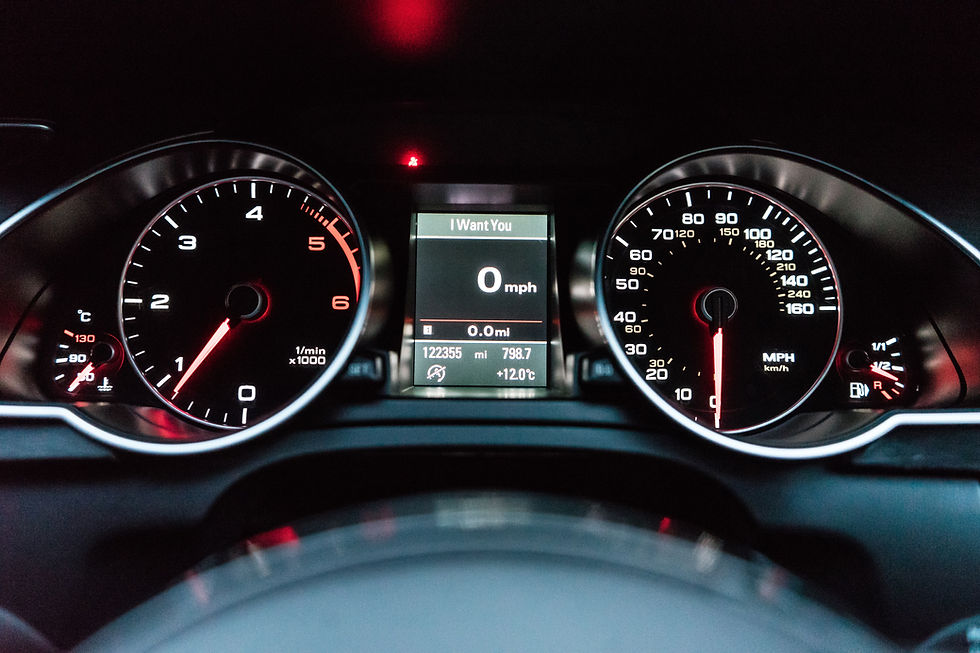
Remember, shifting gears at the right time keeps your engine happy and your ride smooth. Listen to your engine’s sound and feel the car’s response. If the engine sounds like it’s working too hard or the car feels sluggish, it’s time to shift. RPM are your best friend!
Tips and Tricks for Smooth Stick Shift Driving
Driving a manual car is a dance between your feet and hands. Here are some tips to keep you in rhythm:
Practice clutch control: Find a quiet parking lot and practice finding the bite point. This builds muscle memory.
Don’t ride the clutch: Keep your foot off the clutch pedal when you’re not shifting. Riding the clutch wears it out faster.
Use the handbrake on hills: If you’re on a hill, use the handbrake to prevent rolling back while you find the bite point.
Listen to your engine: The sound of the engine is your best guide for when to shift.
Stay relaxed: Tension makes jerky movements more likely. Take deep breaths and stay calm.
Avoid resting your hand on the gear stick: This can cause unnecessary wear on the transmission.
With practice, shifting gears will become second nature. Soon, you’ll be cruising through Arizona’s streets with confidence and style.
Beyond Driving: Why Learning Stick Shift Matters
Learning to drive a manual transmission isn’t just about shifting gears. It’s about gaining a deeper connection with your vehicle. It teaches you patience, coordination, and awareness. Plus, manual cars often have better fuel efficiency and lower maintenance costs.
For those in Arizona, where the roads can range from city streets to desert highways, knowing how to drive a stick shift gives you an edge. You’ll be ready for any vehicle, any terrain.
ShiftPoint Driving School is dedicated to helping drivers master these skills. Their comprehensive courses cover everything from basic driving to essential car maintenance, ensuring you’re not just a driver but a confident, knowledgeable one.
So, whether you’re looking to save money, enjoy a more engaging driving experience, or simply add a valuable skill to your repertoire, learning stick shift is a smart move.
Keep Shifting Forward: Your Next Steps
Now that you’ve got the basics down, it’s time to hit the road and practice. Remember, every expert was once a beginner. Don’t be afraid to make mistakes - they’re part of the learning process.
Consider enrolling in a manual transmission lesson to get professional guidance and hands-on experience. Practice in different conditions - hills, traffic, and open roads - to build your confidence.
Stick shift driving opens up a world of possibilities. It’s not just a skill; it’s a way to connect with your car and the road like never before.
Happy shifting!

Comments